
Exploring the travel and tourism news of Cyprus
Provided by AGP
South Louisiana swamps change sharply with the seasons
May 8, 2026
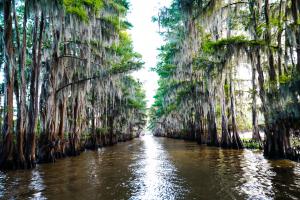
By AI, Created 11:11 AM UTC, May 20, 2026, /AGP/ – Swamp ecosystems across South Louisiana shift with weather, water levels, temperature and wildlife activity, changing how the wetlands look and function from month to month. The seasonal cycle affects biodiversity, flood protection and tourism in a region where wetlands are central to both ecology and culture.
Why it matters: - South Louisiana swamps are not static landscapes. Seasonal shifts change habitat conditions for wildlife, affect water movement and vegetation growth, and alter how wetlands support flood protection and storm surge buffering. - The seasonal cycle also shapes educational tourism. Guided swamp tours often center on wildlife patterns, wetland ecology and the role of marshes and swamps in coastal Louisiana.
What happened: - A May 8, 2026 press release in Marrero, La., outlined how swamp ecosystems across South Louisiana change through spring, summer, fall and winter. - Milton Walker Jr., owner of Louisiana Tour Company in New Orleans, said visitors are often surprised by how different the swamp looks from season to season. - Walker said: “Every season creates a different experience in the swamp.”
The details: - Spring brings warmer temperatures, more rainfall and stronger biological activity across swamps and marshes. - Birds, reptiles, amphibians, fish and insects become more active after winter months. - Cypress trees and other wetland plants produce new growth in spring, adding brighter green color. - Water levels can shift in spring because of rainfall and runoff from surrounding regions. - Alligator activity typically rises in warmer months as reptiles become more active. - Fish are often easier to see in shallow water during seasonal feeding and spawning cycles. - Summer produces dense plant coverage as wetland vegetation reaches peak growth. - Aquatic plants, grasses, moss and cypress growth become more pronounced in heat and humidity. - Afternoon thunderstorms, tropical weather systems and fluctuating water levels can affect wildlife activity and water conditions. - Mosquitoes and other insects increase in warm months because of standing water and humidity. - Fall cools swamp environments and shifts vegetation patterns. - Cypress trees change to orange, rust and brown shades. - Cooler water affects fish movement and reptile activity. - Bird migration becomes more visible as species move through the Gulf Coast corridor. - Winter lowers reptile activity, especially among alligators and some aquatic species. - Some animals become less visible in colder periods as they conserve energy or stay sheltered. - Cypress and tupelo trees lose leaves in winter, which opens sightlines deeper into wooded swamp areas. - Water levels throughout the year can change because of rainfall, river flow, tides, drought and tropical weather systems. - Seasonal flooding influences nutrient distribution, fish movement and vegetation growth. - Wetlands absorb excess water, reduce erosion, filter pollutants and help protect coastal areas from storm surge. - Climate pressures such as coastal erosion, saltwater intrusion, hurricanes and changing weather patterns continue affecting Louisiana wetlands over time.
Between the lines: - The release frames seasonal change as both a visual shift and an ecological system. The same water, vegetation and animal patterns that make swamps attractive to visitors also help sustain the wetlands’ environmental functions. - The emphasis on tours and education suggests growing public interest in understanding wetlands as living systems rather than fixed scenery.
What’s next: - Seasonal conditions will continue to shape wildlife visibility, plant growth and water levels in South Louisiana swamps. - Long-term environmental change is likely to keep affecting wetland health, even as the region’s seasonal cycle remains a defining feature of the landscape.
The bottom line: - South Louisiana swamps change constantly, and those changes are central to how the wetlands look, how wildlife behaves and how the region’s ecology functions.
Disclaimer: This article was produced by AGP Wire with the assistance of artificial intelligence based on original source content and has been refined to improve clarity, structure, and readability. This content is provided on an “as is” basis. While care has been taken in its preparation, it may contain inaccuracies or omissions, and readers should consult the original source and independently verify key information where appropriate. This content is for informational purposes only and does not constitute legal, financial, investment, or other professional advice.
Sign up for:
Cyprus Tourism Times
The daily local news briefing you can trust. Every day. Subscribe now.
Check Your Email!
We sent a one-time activation link to: .
Confirm it's you by clicking the email link.
If the email is not in your inbox, check spam or try again.
Welcome back!
is already signed up. Check your inbox for updates.